01
Bring people to the store.
Make locations, opening hours, contact information, and directions easy to find on a phone. Give local customers the practical details they need before making the trip.
Industries / Nethers Web Design
Retail website design for customers who want to find your store, browse a collection, or buy online. We build around what you sell, how you fulfill orders, and where shoppers go next.
A clear plan for your business and its next stage.

Two Peas Paper Co. / Products and custom creative services
One brand, with clear paths to shop and ask about custom work.
Some customers want to visit today. Others want to browse a collection, understand a custom order, or buy online. Your website should support the way your business actually sells.
01
Make locations, opening hours, contact information, and directions easy to find on a phone. Give local customers the practical details they need before making the trip.
02
Organize products and collections clearly, with photography and descriptions that help customers understand what makes them different. Custom work needs a clear inquiry path of its own.
03
For an online store, make delivery, collection, product options, and checkout requirements understandable. We scope the purchase process and operational connections around the way your business fulfills orders.
Retail website design should reflect your products, customers, and daily operation. Adding a shopping cart is useful only when it supports the way your business wants to sell.
Help shoppers find the business, understand what is available, and plan a visit with confidence.
Give products and collections a clear structure, with an online buying journey that fits the store and its fulfillment requirements.
Separate ready-to-buy products from personalized or commissioned work, so customers know when to order and when to ask for an estimate.
Keep the brand and customer information consistent across the website and other channels. Inventory, point-of-sale, and marketplace connections are planned when required.
Two retail website design examples show how a local store and a custom stationery business help shoppers take different next steps.
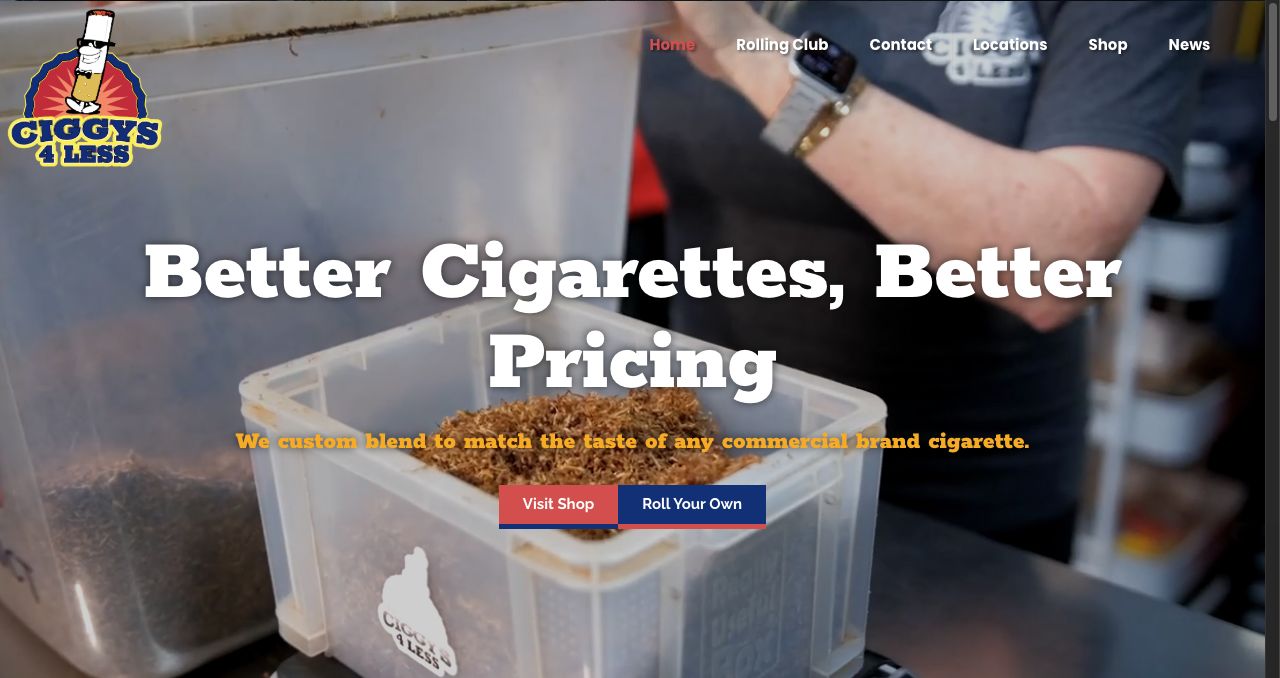
Ciggys4Less
The Leesburg retailer needed a central place for store information and business updates. We built the website and helped move it from Ciggys4LessLeesburg.com to the shorter Ciggys4Less.com brand address.
Explore Ciggys4Less Two Peas Paper Co.
Two Peas brings together hand-lettered gifts, stationery, wedding details, and custom artwork. The website gives visitors distinct paths to browse products and inquire about a personalized project.
Explore Two Peas Paper Co.Our retail website design process starts with your products, customers, and day-to-day operations. That gives the design and functionality a practical purpose.
01
Agree on the role of the website: store visits, online orders, custom inquiries, or a combination of those customer paths.
02
Plan the navigation, collections, product information, photography, store details, and supporting pages the customer needs.
03
Develop the website and the functions in scope. For ecommerce, that can include product options, payments, shipping, collection, and the connections your operation needs.
04
Check the customer journeys, content, and handover. Live payment testing, access, and any migration work are planned as part of the launch scope.
For Ciggys4Less, the website gives shoppers a way to find the store and explore what it offers. For local retail, we plan location pages around the questions people ask before making the trip.
Two Peas Paper Co. combines a shop with custom stationery and event work. We help customers see which items they can order directly and where to start a conversation about custom work.
When online orders make sense, we scope WooCommerce around your actual pickup, shipping, and inventory needs. We agree up front whether success means direction clicks, qualified inquiries, or completed orders.
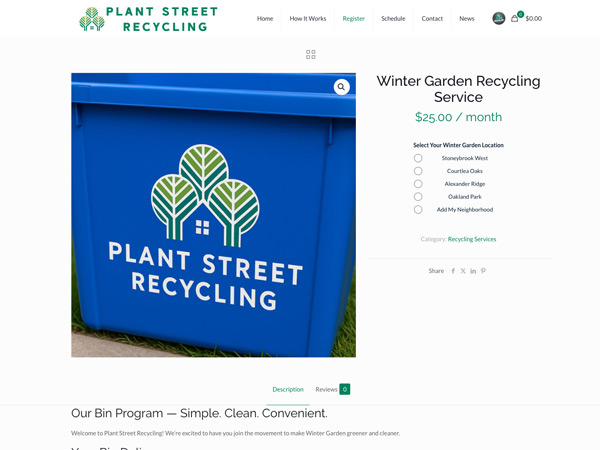
Plant Street Recycling
For this local subscription business, we combined neighborhood eligibility, recurring signup, and pickup information in one website.
Do we need ecommerce if most customers buy in our store?
+
Not necessarily. If most customers buy in person, retail website design can focus on store hours, directions, and product discovery. Add online orders when your team can manage pricing, stock, payments, and fulfillment.
Can one website support products and custom orders?
+
Yes. A business can have a shop for standard products and a separate inquiry process for custom or commissioned work. The navigation and page content should make the distinction clear so customers know how to start.
Do you build WooCommerce websites?
+
Yes. WooCommerce can be an appropriate platform for an online store on WordPress. We agree on the product structure, payment and fulfillment requirements, editing needs, and any integrations before defining the build.
Can you connect our inventory or point-of-sale system?
+
That depends on the systems, their available integrations, and the workflow you need. We review those details before proposing a connection. Compatibility, data ownership, sync behavior, and ongoing service costs should be understood before development begins.
Can you help with an existing store or domain migration?
+
Yes. The plan begins with the existing website, useful URLs, content, and store data. We identify the transition requirements, redirects, and checks needed for the agreed scope, rather than assuming a migration is only a visual redesign.
Can you work with a retail category that is not listed?
+
Yes. Tell us what you sell, how customers buy, and what needs to improve. Product types and business requirements influence the website, but the menu is not intended to be a complete list of every retailer we can discuss a project with.
Your next step
Tell us about your store, products, and sales channels. We will help define the website and the next step that fit your business.
Plan your website