SEO and AI search visibility
Help the right customers find a reason to choose you.
SEO for established service businesses, connected to the work you want and the markets you can serve. Our team combines technical priorities, useful content, and measured search visibility.
Our team. Your next stage of growth. Based in Florida, working nationwide.
Built around the business
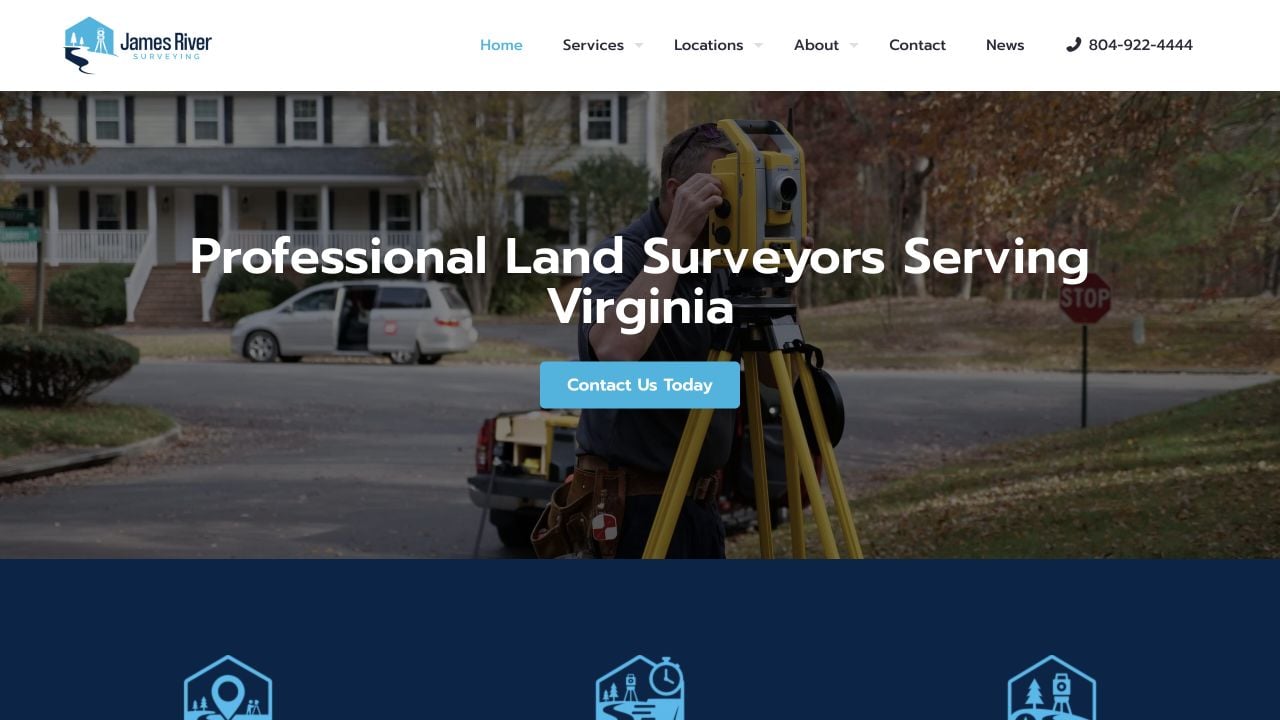
Service and location structure, with dated search evidence.Explore the project
SEO services for small businesses, built around your market.
More traffic is useful only when it connects your business with the right opportunities. We start with your services, customers, capacity, and territory. A firm seeking larger commercial projects needs a different content plan from a provider seeking nearby residential inquiries. Those decisions determine which searches deserve a page, which evidence belongs on it, and what a qualified inquiry should include.
Our SEO work connects three areas: a website that search engines can access and understand, pages that answer real buyer questions, and evidence that supports your expertise. The order depends on the starting point. Publishing new content cannot fix a blocked page. Improving a title cannot rescue an offer that leaves the buyer unsure whether you serve their project type.
We review existing visibility before proposing expansion. That includes useful landing pages, service coverage, internal links, index settings, and available Search Console data. We also distinguish brand searches from non-brand discovery. People searching your company name already know something about you. People comparing providers need enough context to understand why your firm belongs in their consideration.
SEO: what the scope can include
- Technical SEO priorities and an agreed implementation plan.
- Keyword and competitor research tied to customer intent.
- Service and industry page planning, writing, and improvement.
- Location structure supported by actual service coverage and original information.
- Titles, descriptions, headings, internal links, and appropriate structured data.
- AI search readiness through clear, factual, well-supported answers.
- Reporting that distinguishes visibility, visits, inquiries, and qualified work.
A plan should identify what our team will deliver and what your team needs to provide. Technical access, service knowledge, original project details, and timely review all affect what can be achieved. We agree those responsibilities before treating an editorial calendar as a strategy.
SEO: aI search visibility needs credible answers.
AI search visibility work, often called AEO or GEO, is connected to the same factual foundation as useful search content. A provider page should explain who the business serves, what it does, where it works, and what evidence supports its expertise. Useful answers should be clear enough to understand without relying on a long promotional introduction.
Our team can improve service definitions, comparisons, FAQs, project explanations, and the relationships between pages. We check whether the site makes its business identity, services, and supporting evidence consistent. Relevant structured data can describe information that is actually visible on a page. It cannot turn an unsupported claim into authority or force an AI system to recommend a business.
We treat AI citations and recommendations as separate observations from conventional rankings. A mention in one answer is not a permanent position. Results vary by question, platform, time, and context. Where AI visibility is part of the reporting scope, we agree the questions and platforms being observed and keep the limitations visible.
Google’s guidance on AI features and websites provides a useful primary reference. We use platform guidance alongside the evidence from your actual site. The aim is to help customers and discovery systems understand your expertise, while keeping the content valuable to a person deciding whether to contact you.
A practical SEO plan, followed by accountable work.
1. Establish the baseline
We document the current pages and available evidence before making changes. Search Console, analytics, ranking checks, and inquiry records answer different questions. We agree which sources are available and which gaps remain. If calls and form submissions are not measured reliably, we identify that limitation rather than presenting visits as new customers.
2. Prioritize the opportunities
We compare potential topics with your actual services and commercial goals. A lower-volume search can be valuable when it describes a project you want and a buyer who is ready to act. A large search volume may be less useful when the intent is educational, outside your territory, or unrelated to the work you can deliver. We explain why a proposed page belongs in the plan.
3. Improve and connect the pages
Technical fixes, service content, industry pages, and internal links are implemented in an agreed sequence. We avoid creating a collection of pages that differ only by a city name. A location page needs a reason to exist, such as genuine coverage details, relevant services, local project experience, or practical information for that audience.
4. Review what changed
We report the work completed and the movement observed. Rankings, impressions, clicks, inquiries, and qualified opportunities are separate measures. Results should be compared over an appropriate period and considered alongside seasonality, competition, and business changes. The next priorities should respond to that evidence rather than repeat the same task list indefinitely.
SEO: a surveying example with visible measurement boundaries.
Our James River Surveying case study connects website structure with a defined service territory. The November 17, 2026 search audit covered 46 distinct service areas and 92 singular and plural query combinations. It produced 63 usable query reports, with 29 query reports remaining unverified. Those limits matter when assessing what the snapshot establishes.
In that dated audit, 16 areas had a top-three Maps result and nine had a top-three website result. The groups overlap. Some findings used local-origin searches and some used a United States fallback, which are labeled in the evidence. Website positions are the provider’s SERP positions, rather than an organic-only ordinal. These are measured visibility observations, not a claim that every location held the same position or generated a particular number of leads.
For an established surveying firm, our surveying website and marketing offer is the more specialized route. For other businesses, the same discipline applies: define the market, build useful pages around real work, and measure the result honestly. We do not transfer another company’s rankings into a forecast for your business.
SEO: choose a scope your team can sustain.
SEO is a continuing business investment when competition, services, and customer needs keep changing. Some sites first need a focused technical repair. Others need a new service structure or a substantial content program. We review the foundation before proposing an ongoing scope, so the work addresses the actual obstacle.
The proposal should separate research, content, implementation, reporting, and any paid tools or advertising. It should also identify approval responsibilities and the information needed from your team. Ongoing work is scoped separately from a website design project unless the proposal explicitly combines them. A new build can include search preparation without implying an unlimited marketing engagement.
If the existing website prevents useful changes, we may recommend targeted development or a rebuild. If it can support the strategy, we can improve the current foundation. The decision should reflect maintainability and the customer journey, not a preference to replace every site before doing useful work.
Before we start
SEO: questions worth asking.
Can you guarantee first place or an AI recommendation?
No. Search engines and AI platforms control their results. We can commit to a defined scope, sound implementation, and transparent reporting, but cannot guarantee a ranking, citation, or number of leads.
Can SEO target more than our home city?
Yes, when the business genuinely serves those markets. We define the services and territory, research the opportunity, and build distinct useful information where it is justified. We avoid mass-producing interchangeable city pages.
Is SEO included in website design?
A website scope can include launch preparation. Continuing research, content development, optimization, and reporting are separate unless specifically included.
How do you measure SEO success?
We agree the measures before starting. Search visibility and traffic are useful indicators, while inquiries and qualified opportunities connect the work more directly to business goals when tracking is available.
Can you work on an existing WordPress website?
Yes. We first review access, structure, technical health, and editing constraints. Some sites can be improved directly; others need foundational development.
How soon will results change?
Timing depends on the starting point, competition, implementation, and discovery by search engines. We agree milestones for the work and review observations without promising the same ranking timeline for every business.
Selected client work
Different businesses. Different customer journeys.
James River Surveying
Service and territory structure for an established surveying firm.

Citrus Lighting
A specialist service business and its presentation.

Plant Street Recycling
A service signup and customer journey.
Planning your project: a practical buyer’s guide
Build SEO around commercially useful questions.
SEO: separate the service from the way people describe it
Customers do not always use the terminology your team uses internally. A buyer may describe a problem, a project, or the outcome they need. Research should connect those descriptions with the service you actually provide. We review the language without turning the page into a list of variations. The result should read naturally and help a person recognize that they have found a relevant provider.
A focus keyword is a planning aid, not the full subject of a page. A substantial service page can answer related questions about scope, process, eligibility, and next steps. The important distinction is whether those questions belong to the same buying decision. When they do, clear sections can serve the reader better than a collection of thin pages competing for the same intent.
SEO: evaluate opportunity alongside capacity
The most attractive search opportunity is not always the phrase with the largest reported volume. Your team needs to be able to deliver the work, serve the territory, and handle the inquiry. A lower-volume service may have a better commercial fit. A high-volume topic may attract visitors who need something outside your scope. We consider those differences before recommending a content investment.
Capacity can also change the order of the work. If your business is expanding into a market gradually, the website should accurately represent what is available now. If a service requires a particular type of project or client, the page should explain that fit. Useful SEO connects discovery with an offer your business is ready to fulfill, rather than maximizing inquiries indiscriminately.
SEO: make service-area expansion credible
A business can serve multiple cities or a whole state without maintaining a physical office in every location. The content should describe that coverage accurately. We avoid implying offices, staff locations, or local projects that do not exist. A territory strategy can explain where you work and how customers in those areas engage with the firm, while keeping the business identity consistent.
Distinct location content needs original value. That may include real project context, service availability, relevant conditions, or practical information for the customer. If there is no meaningful difference to explain, a regional page may be a more useful choice. The decision should reflect what helps the buyer and what the business can substantiate, rather than a fixed target for the number of city pages.
SEO: connect informational content to the buying journey
Resources can help customers understand a technical service before they are ready to contact a provider. A guide may explain what information to prepare, how to compare scopes, or why two proposals differ. The resource should answer the question directly and link to the relevant service when that next step is useful. It should not withhold the answer behind a long promotional introduction.
We also distinguish education from professional advice that depends on a particular situation. A general explanation can help a buyer ask better questions without pretending to replace a project assessment. Your subject experts remain important sources for the details that are specific to your industry. Our marketing experience shapes how that knowledge is organized and communicated.
SEO: measure visibility with the right comparison
A ranking report needs context. The query, location, device, date, and result type can affect what is observed. Maps results and website results answer different questions. A search from a local origin is different from a national fallback. We keep those distinctions visible when presenting a snapshot, so a useful observation does not become a broader claim than the evidence supports.
Search Console provides a different perspective from an individual ranking check. It can show impressions and clicks observed for your property, subject to the platform’s reporting limits. Analytics describes visits and behavior according to its configuration. Inquiry records describe responses received by the business. These sources complement one another, but they should not be collapsed into a single number called growth.
SEO: review lead quality with the team that answers inquiries
Your sales or service team can identify whether inquiries match the work you want. The website may attract the right service but the wrong project size, territory, or customer type. That feedback can improve the page, the form, or the offer. It is often more useful than celebrating an increase in submissions before anyone has assessed what those submissions contain.
We can agree a practical feedback loop that respects customer privacy. The marketing discussion usually needs the type of inquiry and whether it was suitable, rather than every detail of a private project. Over time, that evidence helps distinguish a discovery problem from a qualification or follow-up problem. Each requires a different improvement.
SEO: keep technical work connected to content
Technical access, clear navigation, internal links, and correct index settings help useful pages become discoverable. The content still needs to address the customer’s question. We prioritize problems that prevent access or understanding, then connect improvements to the pages that matter commercially. A long audit is only useful when it produces a sensible sequence of work.
When the website uses WordPress, the theme, builder, SEO plugin, cache, and other extensions can affect implementation. We review the actual output rather than assuming a field saved in an editor always produces the intended page. Titles, canonical URLs, headings, and rendered links are checked in context. The purpose is a working result, not a completed settings screen.
SEO: use AI visibility observations responsibly
An AI-generated answer can vary between sessions and over time. The wording of the question, the product being used, and the sources available can influence the response. A reporting plan should specify what is being observed. A single positive answer should not be presented as a permanent recommendation across all platforms, and a single omission should not be treated as a complete measure of the brand.
Our work focuses on the information the business can control: accurate service explanations, visible expertise, useful answers, consistent identity, and supporting evidence. We connect those improvements to conventional search work where appropriate. That gives the site a more useful foundation while keeping claims about AI results grounded in what has actually been observed.
For additional primary guidance, review Google’s people-first content guidance. It is a useful reference when deciding whether a proposed page serves a real audience and adds original value.
SEO: let’s plan the right next step.
Tell our team about your current website, your customers, and what needs to work better. We will help define a useful scope before you commit to a build.