
Custom website design, WordPress & search visibility

Great brands.
Made visible.

Custom website design, WordPress development and search visibility, built around the way your business works.

Winter Garden, Florida. Working nationwide.

Selected work / Nethers Web Design

jamesriversurveying.com
Custom website design for James River Surveying, showing its Virginia land surveying services
citruslighting.com
Citrus Lighting mobile website designed by Nethers
44 Virginia service areas with top-three organic results.
James River Surveying*

Different businesses.
A clear purpose for each.

James River Surveying CITRUS LIGHTING Plant Street Recycling

Selected work / Real businesses, real outcomes

Designed to look the part.
Built to play one.

A website should do more than make a first impression. It should help the right people understand your value and take the next step.

01 / James River Surveying

Technical expertise.
A clearer place in the market.

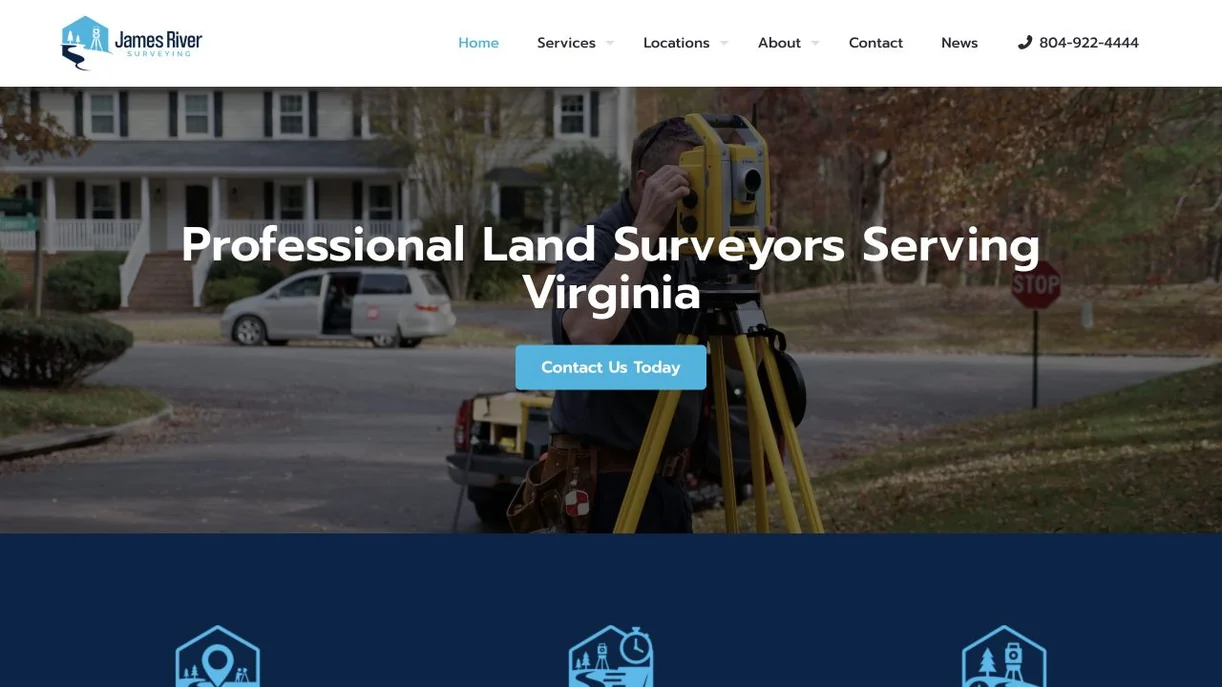
A website that explains surveying services and coverage across Virginia, supported by service-area content people can find.

44 service areas in the top three organically*
31 service areas ranking number one organically*

★★★★★

James River Surveying’s 5-star review of Nethers Web Design
Explore the case study
jamesriversurveying.com
Custom website design for James River Surveying, showing its Virginia land surveying services

*Direct Google review, November 20, 2026. Query: [area] VA land surveyor. Organic results, separate from Maps. Positions vary by search location and time. See measurement context.

Local roots. A wider perspective.

Custom website design.
Built around your business.

Nethers Web Design is a Winter Garden, Florida team building custom WordPress websites for businesses across Greater Orlando and throughout the United States.

Your website often starts a conversation before your team ever speaks to a customer. People arrive with practical questions: do you offer the right service, work in their area, understand their needs, and give them a reason to trust you? We bring those answers into the message, structure, and design.

Whether you need a website redesign, clearer service content, an online store, or a custom subscription journey, we connect the experience to the way your business works. Our work ranges from surveying services across Virginia to recurring local collection in Winter Garden.

Explore our custom website design approach ↗
Based in Winter Garden Serving Orange, Lake and Seminole counties Working with businesses nationwide

What we help you do

A better website starts with
a better understanding.

We connect your message, your customers, and the way your business works. Then we build the website around them.

Message & structure

Make the right information easy to find.

We organize your services, project evidence, and contact paths around the questions customers bring. A professional service business may need clear coverage and qualifications; a subscription service may need eligibility checks before registration.

WordPress & WooCommerce

Build around the way your business works.

We use WordPress for content-led websites and WooCommerce for online selling and subscriptions. Where the standard journey does not fit, we plan the forms, integrations, and customer steps together, as we did for Plant Street Recycling.

Search & ongoing care

Plan for life after launch.

Helpful service content, a usable mobile experience, and clear internal links are part of a useful website. We also discuss hosting, maintenance, backups, and future changes, so the launch is supported by a practical plan.

Experience that informs the design

Different businesses.
Better questions.

The most useful website decisions come from understanding how your customers choose, what they need to know, and where the process gets difficult.

01

Land surveyors & professional services

Technical expertise needs a clear explanation. Surveying clients need to understand the service, its purpose, and whether their property is within the firm's coverage. The James River project brings those decisions into the website through service and location content.

Website design for land surveyors ↗
Services
Coverage
Project inquiries
02

Recurring local services & subscriptions

A recurring service needs more than a payment button. Customers may need to confirm coverage, select the right service, and register for ongoing billing. Plant Street Recycling connects service-area selection with its custom WooCommerce form-to-subscription journey.

Website design for recycling services ↗
Service areas
Registration
Recurring billing
03

Specialist services with work worth showing

For a business such as Citrus Lighting, the finished work helps explain the service. The website needs to give that imagery room, connect it to the offering, and make the consultation path clear. The visual presentation should help visitors evaluate the business.

Explore the Citrus Lighting project ↗
Project imagery
Service clarity
Consultation

A thoughtful process. A practical team.

Clear decisions.
From the first conversation.

Your website is part of your business. Our job is to understand where it fits, make the choices clear, and bring the details together.

Meet the Nethers team

Understand what comes next.

Start with your customers, your services, and the opportunities your current website is missing.

Make the important things clear.

Shape the message, structure, and design around the decisions your visitors need to make.

Build, review, and keep improving.

Bring the experience together, check it across devices, and plan for the site’s life after launch.

Start with a better brief.

A useful custom website design brief connects what the business needs with what its customers need to understand. Before comparing page counts or choosing a visual direction, bring these three conversations into the open. They help define the work, make proposals easier to compare, and give the finished website a clearer purpose.

Start with the customer decision.

List the services that matter most, the people who buy them, and the questions that slow a decision. A surveying customer may need to understand coverage and survey types. A lighting customer may want to see completed work. A recycling customer needs to know whether collection is available at their address. Custom website design should make those different decisions easier, rather than give every business the same page structure.

Explore custom website design

Define the real working requirements.

Bring the details that change the scope: existing URLs, content responsibilities, photography, products, recurring services, forms, customer accounts and integrations. Identify what your team needs to edit and what should happen after an inquiry or registration. These requirements influence custom website design as much as the visual direction. A clear list helps distinguish a straightforward presentation site from a project that needs custom functionality, migration or a more involved customer journey.

Explore ecommerce and subscriptions

Agree how progress will be judged.

Choose measures that fit the job. Search visibility can show whether useful service content is being found. Form delivery and inquiry quality connect the website to actual conversations. Subscription registrations show whether a recurring-service journey works. Keep the starting point and measurement period clear, and distinguish a search position from a customer result. This gives the custom website design project a practical review process and helps identify worthwhile improvements after launch.

Explore search visibility

Before you redesign

A clearer plan starts with the right questions.

A website project involves more than choosing a look. Here are some of the decisions we help you work through.

Talk through your project ↗
Do you only build websites for Winter Garden businesses?

No. Nethers is based in Winter Garden and works with businesses across Central Florida and nationwide. Our team brings local experience and a wider perspective; projects such as James River Surveying demonstrate work for businesses serving other regions.

The important starting point is understanding your customers and service area, whether you serve a neighborhood, several counties, or a broader market.

What does a custom website design project include?

The scope depends on what needs to change. We begin with the business goals, existing website, services, content, and customer journey. The plan can include a new structure, revised copy, project presentations, WordPress development, forms, ecommerce, or integrations.

We define the deliverables and responsibilities before building. Existing pages, search visibility, and useful content should be reviewed before deciding what to retain, improve, or replace.

How much should we budget for a website?

Page count is only part of the scope. Content development, photography, custom forms, product data, subscriptions, integrations, and migration all affect the work involved. A service website and a custom subscription platform need different plans.

We review the requirements with you and prepare a project-specific proposal. Hosting, licenses, maintenance, and future improvements should also be considered when comparing the total cost of a website.

Can you help us protect our SEO during a redesign?

We plan the transition around the existing website, including useful pages, URL structure, titles, internal links, and content that people already find. When a URL needs to change, its replacement and redirect need to be planned.

Search rankings can fluctuate after significant changes. A redesign should be measured against a documented baseline, with indexing and traffic checked after launch. No design or plugin score guarantees a particular ranking.

Can a WooCommerce website handle service subscriptions?

Yes, when the subscription model and customer journey are designed together. Plant Street Recycling is an example: customers select their service area and register through a custom form connected to a recurring subscription.

Your requirements may include service eligibility, options, recurring payments, customer information, and account management. Those details should be defined and tested together, including the way the business manages registrations.

What happens after the website launches?

The site still needs hosting, backups, updates, and a way to request changes. We offer ongoing website care and discuss what your team wants to manage directly.

A useful handoff also clarifies access, responsibilities, recurring costs, and how to evaluate performance. Customer questions and actual inquiry data can help guide the next improvements.

Explore ongoing website care
Can our team update the website ourselves?

Yes, when the editing experience is part of the project plan. For a WordPress website, that means deciding which headings, paragraphs, images, buttons, services and project examples your team will maintain. We can build that content with native Elementor controls, so an ordinary text or image change does not require editing a block of page code. The right editing structure depends on the site and the people responsible for it.

Custom website design also needs boundaries that keep routine changes manageable. Reusable type and button styles help a new section fit the rest of the site. More involved changes, such as a new subscription rule, checkout behavior or integration, should be reviewed separately. Before launch, clarify who has access, which tasks the team can handle, and where to request support when a change affects functionality.

What should we prepare before starting a custom website design project?

Start with the current website address, the services you want to promote, the customers you want to reach, and a short explanation of what needs to improve. Useful source material includes accurate service descriptions, project examples, approved photography, existing branding, real client feedback and common questions from sales conversations. Identify the person who can confirm facts and approve content, as well as anyone responsible for products, registrations or customer records.

You do not need to solve every design decision before the first conversation. It is more useful to explain the business problem and show the material you already have. For an existing site, include access and a list of important pages or features. We can then distinguish what should be retained from what needs new content, a clearer structure or additional development.

Should we redesign or improve the website we already have?

Begin with the problem you need to solve. An unclear service page, weak project presentation or confusing contact path may be improved without replacing the whole site. A larger custom website design project becomes more appropriate when the structure no longer fits the business, the editing experience prevents necessary changes, or several important customer journeys need to be rebuilt together. The existing theme, plugins, content and integrations also affect that decision.

We review the useful parts of the current site before defining a replacement. That can include established URLs, content people already find, a working registration process or photography that still represents the business well. Retaining those strengths can reduce unnecessary work. The recommendation should explain what is changing, why the change matters, and which risks or dependencies need to be handled during the transition.

How do you plan a website migration?

A migration needs an inventory of the current pages, files and working features before the new site takes their place. Record important URLs, identify their intended destinations, and keep useful content connected through the new navigation and internal links. When a URL must change, plan the redirect to the relevant replacement. Forms, products, subscriptions and external connections need their own transition checks; a page looking correct does not establish that those functions still work.

The custom website design review should also include a recovery plan. Preserve the original content and settings, confirm the backup and restoration process, and define the point at which the new version becomes live. After launch, check the actual site, form delivery, redirects and search indexing. Search performance can move during a transition, so compare results with a documented starting point rather than assuming that an updated design automatically protects every ranking.

How do you measure whether a website is working?

Choose measures that describe the work the website is meant to do. For a service business, that may include qualified inquiries, successful form delivery, useful traffic and visibility for relevant services. For a subscription business, registration and active customer counts are different measures from search positions. Custom website design, content, the offer and the way the business handles new inquiries all influence the customer experience; one website metric cannot explain the whole business result.

Our project examples keep those distinctions visible. The James River Surveying search review reports dated organic positions across a defined set of Virginia areas. Plant Street Recycling's 400+ active paying subscribers describes its first 12 months of customer growth. These are different observations from different projects. A new engagement should define its own baseline, reporting period and measures, with the source and limits of each result made clear.

How do you approach custom website design for several locations?

Map the actual services and territory before deciding how many pages to build. A city page should help someone understand the offer in that market, with accurate coverage, relevant buying questions and credible project evidence. Different spellings of website designer, website developer and website design do not automatically call for separate pages. More competitive markets may justify distinct service pages when the service, customer decision and supporting information are meaningfully different.

We also keep the business's real base separate from its service coverage. Nethers is based in Winter Garden and works with businesses across Central Florida and nationwide. A geographic page should not imply an office or local client that does not exist. A shared visual system can connect the pages, while the content explains the actual reason to serve each audience. Search demand, competition and the strength of the available evidence guide the rollout.

What makes a website easier to understand in AI search?

Start with information that people can understand and verify: who the business is, what it offers, where it works, and evidence for its claims. Give each important service a useful destination, connect related pages, and keep essential information available as readable text. Clear custom website design helps visitors follow that structure, while original project details and well-defined results give the content something concrete to explain.

Google says its established SEO practices also apply to AI Overviews and AI Mode, and that eligibility does not guarantee inclusion. We treat AI visibility as something to observe and improve alongside search performance, rather than a guaranteed outcome from a design, special file or plugin score. Different AI products can cite different sources. Read Google's guidance on AI features and websites for the distinction between technical eligibility and actual inclusion.

How do accessibility and performance affect custom website design?

They influence whether people can use the website comfortably and reach the next step. Custom website design decisions include readable type, sufficient contrast, clear heading structure, descriptive links, usable touch targets and controls that work with a keyboard. Images need meaningful alternatives where they communicate information. A mobile page also needs room for its text and controls without sideways scrolling or a header covering the content someone came to read.

Performance work looks at the complete page, including images, fonts, scripts, layout shifts and the costs added by themes and plugins. We check desktop and mobile separately and use measured findings to prioritize improvements. An automated score is useful evidence, but it does not replace checking the actual menus, forms and customer journeys. The W3C accessibility guidelines provide a technical reference for accessibility work and its testable criteria.

Your next chapter

Let’s make your website worth choosing.

Tell us what’s changing in your business and what your website needs to do next. We’ll help you find a clear way forward.